
Understanding the Probate Process
Probate is the court process that wraps up a person's affairs after death. The court checks the will. Then it names someone to handle the estate. That person pays debts. After that, they give the rest to the heirs. It sounds simple on paper. In real life, it takes time. Most families are shocked by the wait.
Did you know that? The 2024 Trust & Will study found that the average probate takes about 20 months and only 1% of Americans guess this timeline right.
Many people think probate lasts a few weeks. It does not. Even a smooth case needs months. A messy case can stretch past two years.
In this blog post, you will learn all about the probate process easily.
What Probate Means in Real Estate
A probate in real estate refers to a legal process that, with the help of a court, identifies a dead owner's will, pays the debts, and transfers property rights to the heirs or new buyers. It applies only to the one-sole-proprietorship property and it is the procedure that enables one to legally transfer ownership of it after death, thereby making it a clean transfer.
How Long You Should Really Expect
The national average sits between nine and twenty-four months. Simple estates close faster. Complex ones drag on. Here is the real breakdown by state.
Probates in California take about 12 to 24 months on average. The first trial in Los Angeles may take as much as 3 to 6 months. New York may take longer; many probate issues in Surrogate's Court remain unresolved for more than 18 months due to court docket congestion.
Texas is much shorter. Independent administration usually finishes in four to eight months. Florida, on the contrary, is a bit longer ranging from six to eighteen months.
Small estates get a shortcut. A small estate affidavit skips full probate. It finishes in thirty to ninety days. But the estate must fall under a dollar limit. That limit changes by state.
The Steps From Start to Finish
First, someone files a petition. This happens thirty to ninety days after death. The court sets a hearing. That hearing usually lands four to eight weeks out. At the hearing, the judge confirms the will. The judge also appoints the executor. The executor gets Letters Testamentary. This paper gives them legal power to act.
Next, the executor tells all creditors about the death. Each state sets its own claim window. California gives creditors four months. Florida requires at least three months. Missouri and Arkansas require six months. During this window, the executor cannot pay heirs. They must wait.
When the debtor's time period comes to an end, the liquidator discharges genuine debts and also prepares to file tax returns. If it's a significant asset, then estate tax returns will have to be filed within nine months by the liquidator as a last duty. Apart from that, the liquidator should also keep a record of all property. A third-party estimate of the value of the property is always required in cases of real-estate sale, whereas the bank statements may also require some further checks.
Upon clearing of all debts and taxes, the liquidator prepares a final account, which is then submitted for approval by the court.
The balance of the assets is finally distributed among the beneficiaries and at that point only, the executor can close the estate.
The House Problem During Probate
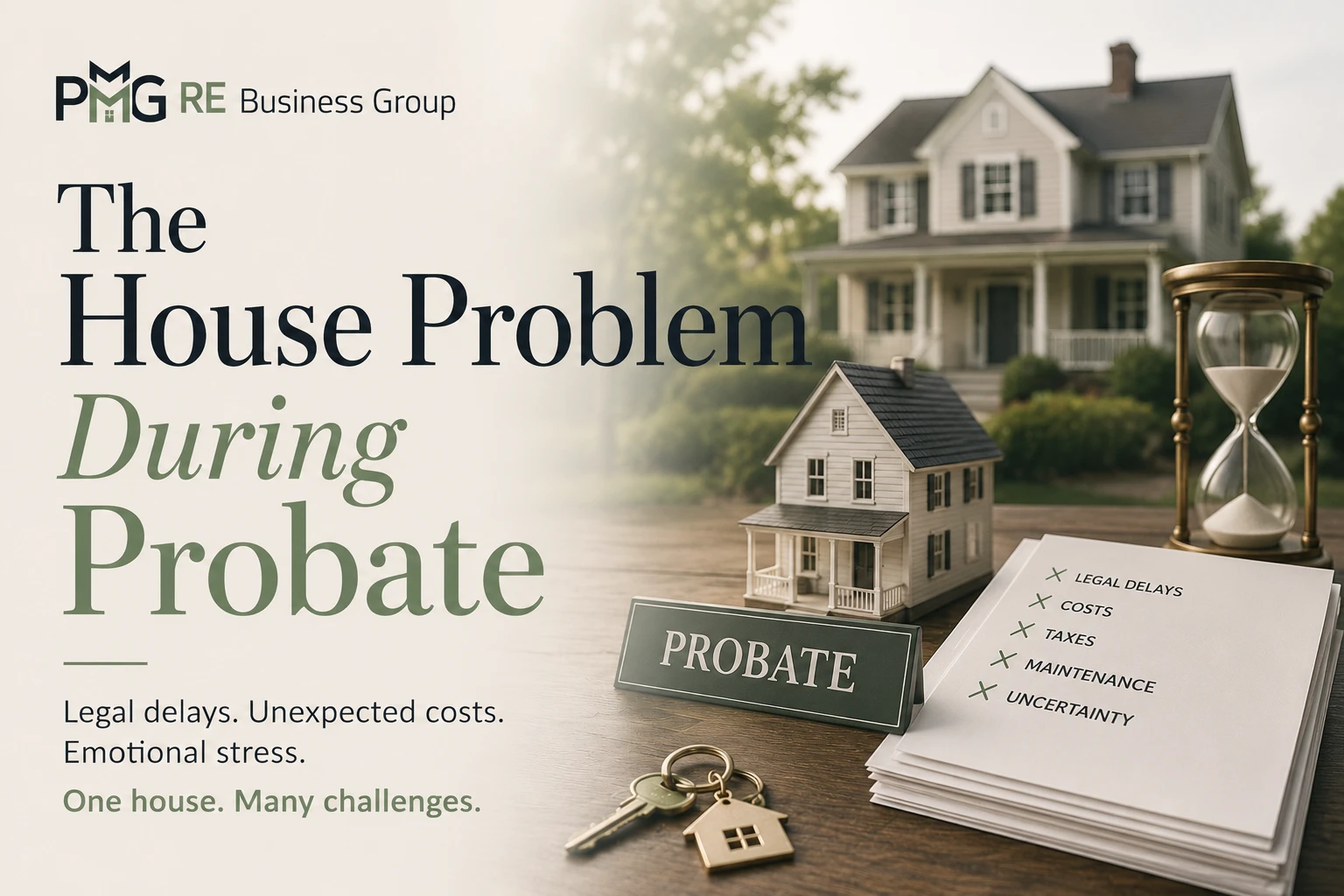
Real estate is usually the biggest asset. It is also the slowest to move. A house cannot sell or transfer until the court gives approval. That approval usually comes after the creditor claim period ends. Most real estate transactions in probate take six to twelve months.
Delays happen when the house needs repairs. Delays also happen when heirs fight. The executor must keep paying the mortgage during probate. They must pay property taxes and insurance. Lawn care must continue.
The Real Cost of Probate
Probate costs money at every step. Court filing fees range from one hundred fifty to four hundred dollars. Newspaper publication fees add more. Attorney fees take the biggest bite.
California has a fee schedule based on statute. Lawyers receive four percent of the first hundred thousand dollars. They receive three percent of the second hundred thousand. Two percent is what they get of the eighth hundred thousand. An attorney by himself gets twenty-three thousand dollars just for a million-dollar estate. The same applies if the executor claims it. Combined statutory fees will be forty-six thousand dollars in total.
Other states charge hourly or flat rates. Appraisal fees add up too. A house appraisal costs three hundred to five hundred dollars. Business valuations cost much more. All of these costs get paid before heirs receive anything.
Can You Skip Probate
Some assets bypass probate entirely. Life insurance with a named beneficiary goes straight to that person. Retirement accounts with a named beneficiary do the same. Bank accounts with payable on death designations skip probate. Houses held in a living trust also avoid probate.
That is why many estate planners recommend trusts. A trust passes assets privately and quickly. There is no court supervision. There are no creditor claim windows. Families save both time and money. But if the house was only in the deceased person's name, probate is almost always required.
Why Families Need Help
You do not have to figure out probate alone. A probate attorney can guide you through each step. A real estate solutions company can help with the property side.
PMG RE Business Group works with families who face probate property questions. We help you understand your options for the house and explain what selling as-is means.

Our goal is to give you clear information. You can then talk with your family and your attorney from a stronger place. Probate is hard enough without guessing about the property.
Get the facts first. Then make your next move with confidence.
Final Words
Probate is a long road. It involves courts, creditors, taxes, and waiting periods. The house often sits empty while the court moves at its own pace. Families lose money every month the process drags on. The best thing you can do is learn the steps early. Get the right team around you.
Ask questions before you make big decisions. Knowledge is the only thing that makes probate easier.
